Avoid hidden charges when booking gardeners in Friern Barnet
Booking a gardener should feel straightforward: you ask for help, agree the work, and get a clear bill at the end. Simple enough, right? Yet plenty of people in Friern Barnet have had that slightly awkward moment when the final price is higher than expected because of extras that were never properly explained. If you want to avoid hidden charges when booking gardeners in Friern Barnet, the answer is usually not complicated; it just needs a bit of careful checking before anyone starts cutting, clearing, mowing, or hauling waste away.
This guide walks you through what hidden charges look like, how they creep into garden jobs, and how to protect yourself without turning every quote into a courtroom drama. You'll also find a practical checklist, a comparison table, and a realistic example so you can book with confidence. Let's make the whole thing a lot less messy.
Why Avoid hidden charges when booking gardeners in Friern Barnet Matters
Hidden charges are not just a budgeting annoyance. They can change the whole experience of hiring help for your garden. A quote that looked friendly at first can become a surprise invoice once waste removal, extra labour, access issues, or "special equipment" are added in. And to be fair, sometimes those costs are genuine. The problem is when they were never made clear up front.
In a place like Friern Barnet, where gardens range from compact town plots to larger family spaces with hedges, patios, fences, and older shrubs, jobs can vary a lot. One front garden tidy-up might be quick. Another, just a few doors away, could involve green waste disposal, ivy removal, or awkward access through a side gate. If you don't clarify the full scope before booking, the risk of misunderstanding goes up fast.
Clear pricing matters for trust too. When a gardener explains what is included and what is not, you can compare quotes properly instead of guessing. That's especially important if you're choosing between one-off garden clearance and ongoing garden maintenance, or deciding whether a job is really just lawn mowing or something broader.
How Avoid hidden charges when booking gardeners in Friern Barnet Works
The best way to avoid hidden charges is to think in stages. First, describe the job accurately. Second, ask exactly what the quote covers. Third, check what happens if the scope changes once the gardener arrives. That's the whole game, honestly.
Most pricing problems appear in a few common places:
- Unclear waste disposal: Some quotes include green waste removal; others don't.
- Unexpected labour time: A "small tidy" can turn into half a day if the beds are overgrown.
- Access difficulties: Narrow side access, locked gates, steep steps, or long carrying distance can affect labour.
- Specialist tools or machinery: Hedge cutters, stump grinders, pressure washers, or tree equipment may be extra.
- Materials and supplies: Mulch, compost, turf, aggregates, fixings, or replacement plants may be billed separately.
It helps to ask for the quote in writing, even if the gardener is a friendly local professional who sounds completely trustworthy on the phone. Good pros won't mind. In fact, the better ones usually prefer it. Written detail reduces the chance of a disagreement later, and it gives both sides a clean reference point.
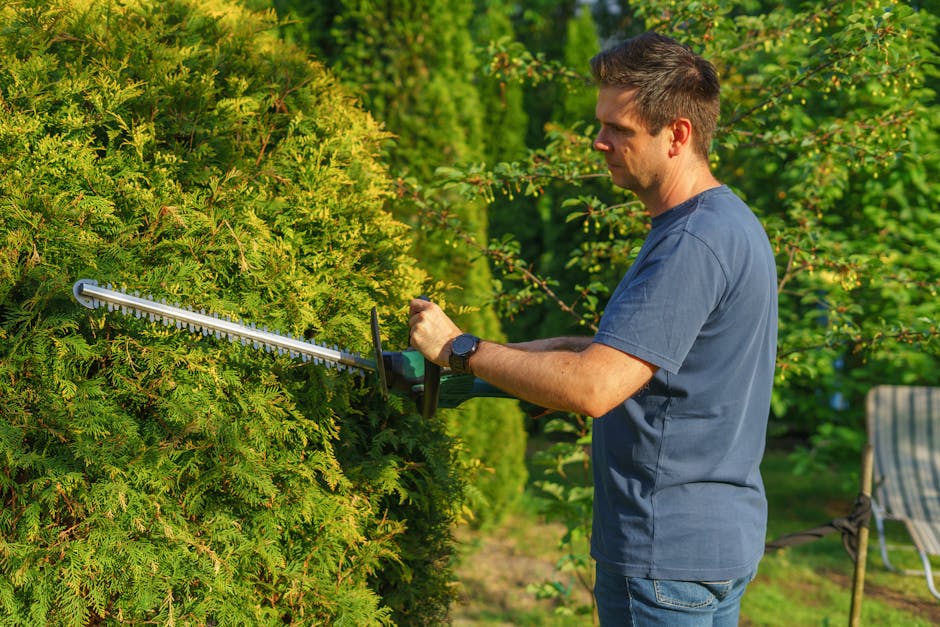
If your job includes anything more than routine maintenance, such as hedge shaping, fence work, patio cleaning, or tree-related tasks, the quote should spell out each component. Services like hedge trimming in Friern Barnet, patio cleaning, or tree surgery can all have different cost drivers. That is normal. What you want is clarity, not guesswork.
Key Benefits and Practical Advantages
When you put a bit of structure around quoting, the benefits are immediate. You stop paying for vague language. You understand what you are buying. And the whole booking process becomes calmer. Not glamorous, perhaps, but very useful.
- Better budgeting: You can plan the real cost before work starts.
- Fewer disputes: There's less room for "I thought that was included."
- More accurate comparisons: You can compare like with like, not headline price with headline price.
- Stronger accountability: A written scope makes it easier to follow up if something is missed.
- Improved value: You can focus on quality and outcome, rather than chasing the cheapest-looking number.
There is also a quieter benefit: peace of mind. You know what is going on in your own garden. That matters more than people admit. A tidy, predictable booking process means you can focus on the result, whether that's a neater lawn, a healthier border, or just less chaos after a busy month.
If you're planning more substantial improvements, it can also help to browse service pages like landscaping, fencing, or decking services so you can see how different jobs are usually framed. Even if you don't book those services right now, the structure of a professional offering often tells you a lot about how quotes are handled.
Who This Is For and When It Makes Sense
This advice is for anyone in Friern Barnet who wants a fair deal and a clear understanding of what they're paying for. That includes busy homeowners, landlords, older residents who prefer a tidy outdoor space without hassle, and anyone booking a one-off garden tidy after a long stretch of neglect. It also makes sense if you're arranging work for a tenant property or a garden that has been left wild for a while.
You may especially need to be careful if the job involves:
- heavy pruning or cutting back overgrowth
- large amounts of green waste
- overgrown ivy or invasive growth
- pressure washing or patio care
- access through shared paths or narrow side returns
- weather-sensitive work that may require a revisit
People booking seasonal work should be extra alert too. Spring clear-ups, autumn leaf clearance, and pre-winter tidy-ups often create more variable jobs than a standard mow. If you're also thinking ahead to planting or reducing future maintenance, articles like innovative low-maintenance garden ideas that save money and effortless weed control tips can help you cut recurring labour later on. That's one of those small decisions that pays off quietly over time.
Step-by-Step Guidance
Here's a practical way to book garden work without nasty surprises. Nothing fancy. Just a sensible sequence.
1. Describe the job in plain English
Start with what you want done, not what you think the job should cost. For example: "front and back lawn cut, beds weeded, hedge trimmed, clippings removed." The more concrete the description, the less room there is for optimistic misunderstandings. If the hedge is tall, say so. If the lawn is patchy or overgrown, say that too.
2. Ask what is included in the quote
Don't assume. Ask directly whether the quote covers labour, waste disposal, tools, travel, VAT if relevant, and any return visit. A good quote should explain whether the price is fixed or estimated. That distinction matters a lot. A fixed quote gives more certainty. An estimate is still useful, but it should tell you what might change it.
3. Check for likely extras
Before confirming, ask about common add-ons: disposal fees, fuel surcharges, parking considerations, difficult access, second-person labour, or specialised equipment. This is where hidden charges often hide, looking innocent in the corner like they've done nothing wrong.
4. Share photos or a short video
If the company accepts images, use them. A few clear photos of the garden, access points, and problem areas can dramatically improve quote accuracy. It's often the quickest way to stop surprises. For thorny jobs like ivy removal, dense shrubs, or large hedge reductions, visuals are especially helpful. The same goes for jobs where weather damage or overgrowth has changed the garden's condition. If you need that kind of work, master ivy removal techniques and strengthening your garden's defence against weather give a useful sense of what can make jobs more complex.
5. Get the scope confirmed in writing
Text message, email, or formal quote - whichever format the business uses, get the key points recorded. Scope, price, date, and exclusions should all be visible somewhere. That written trail is your best friend if anything feels unclear later. And yes, people forget details. It happens all the time.
6. Agree what happens if the job changes
Sometimes the gardener discovers more work than expected once they start. That is normal. What matters is process. Ask how additional work will be handled: will they pause and ask for approval, or proceed up to a set limit? A decent professional will explain this without making it awkward.
7. Confirm payment terms before work begins
Ask when payment is due, what methods are accepted, and whether a deposit is needed. If card payment, bank transfer, or an online payment system is used, make sure you understand it. It's also worth reviewing the company's payment and security information if available, so you know how your money is handled.
Expert Tips for Better Results
After a few years of seeing garden jobs booked in all sorts of ways, a pattern becomes obvious: the clearest customers usually get the smoothest experience. Not because they know everything, but because they ask the right questions.
- Request itemised pricing when the job is complex. It helps you see where the money goes.
- Use measurements where possible. A hedge height, lawn size, or patio square footage can reduce ambiguity.
- Be honest about the garden's condition. If the area is really overgrown, say so. Understating the job rarely helps anyone.
- Check whether disposal is per load or included. Waste can be a bigger cost than people expect.
- Watch for "from" pricing. It can be a valid way to advertise, but it should still be backed by a proper explanation.
- Ask whether weather delays affect cost. Sometimes a wet lawn or unsafe conditions change the plan.
One more thing: if you're comparing multiple gardeners, don't just look for the lowest number. Compare scope, timing, materials, insurance, and whether the quote feels complete. A lower quote can be excellent value. Or it can be incomplete. Big difference.
For ongoing jobs, it can help to pair a reliable maintenance plan with a few low-effort planting choices. Pages such as ground covers for lush UK garden designs and evergreen climbers for shaded spaces are handy if you want the garden to stay attractive without constant intervention. Less upkeep often means fewer surprise visits too.
Common Mistakes to Avoid
Most hidden-charge headaches come from a handful of avoidable habits. The good news? They're easy to fix once you know them.
- Only asking for a rough price. A rough price is fine as a first step, but not enough to rely on.
- Assuming waste removal is included. This one catches people out a lot.
- Skipping the photos. The job may sound simple until the team arrives and sees the real thing.
- Not clarifying access. A locked side gate or awkward passage can change labour time.
- Ignoring exclusions. If something is not in the quote, treat it as extra until confirmed otherwise.
- Choosing on price alone. Cheap quotes can be fine, but only if they are properly explained.
Another sneaky mistake is not reading the terms and conditions. It's not exactly thrilling bedtime material, I know. Still, that document often tells you how deposits, cancellations, rescheduling, and complaints are handled. If something goes wrong, you'll be glad you checked.
And if you're the sort of person who wants the job to stay tidy from one visit to the next, a solid ongoing plan matters. A service like garden maintenance can be more predictable than repeated ad hoc booking, especially if you're trying to avoid the classic "small tidy-up turned into a big bill" situation.
Tools, Resources and Recommendations
You do not need a complicated toolkit to protect yourself. A phone, a few photos, and a written checklist usually do the job. Still, a few small resources make the whole process smoother.
- Photo set of the garden: Take images from several angles, including access routes.
- Short written brief: List the exact tasks you want done.
- Budget limit: Decide your ceiling before requesting the quote.
- Comparison notes: Track what each gardener includes, not just the headline total.
- Payment method review: Confirm how and when payment is taken.
When the job is more specialised, use the website's own service and policy pages as part of your decision process. For example, the pages on pricing and quotes, terms and conditions, insurance and safety, and health and safety policy can help you understand how a professional service is structured. If you value open communication from the start, the about us page can also give useful context about the business approach.
For more visual inspiration and practical garden ideas, there are also helpful articles on container gardening, vertical gardening, seating areas, and winter protection. Those won't directly solve hidden charges, of course, but they can help you plan smarter projects and avoid rushed booking decisions. Rushed bookings are where the wobble starts.
Law, Compliance, Standards, or Best Practice
When garden work involves hired labour, waste disposal, machinery, ladders, or tree-related tasks, it is sensible to expect professional standards even if the job itself is simple. In the UK, businesses should be transparent about pricing and should not mislead customers about what is included. The exact legal position can depend on the arrangement, but as a customer you can still protect yourself by insisting on clear terms before work begins.
Best practice usually includes:
- clear written quotes or estimates
- defined scope of work
- explained exclusions and extra charges
- reasonable payment terms
- appropriate insurance for the work being carried out
- sensible health and safety procedures on site
For work involving waste, larger trees, heavy equipment, or potentially hazardous access, it is especially sensible to ask how the contractor manages safety and disposal. If something feels vague, ask again. Seriously, ask again. A professional should be happy to explain. If they're not, that tells you something useful too.
Complaints handling also matters. If a disagreement ever arises over extras or scope, it helps if the business has a clear process. That is one reason to review the complaints procedure before booking. It may not be the most exciting part of the website, but it is a quiet sign of professionalism.
Options, Methods, or Comparison Table
Not every garden job should be booked the same way. Some are best handled as a fixed-price visit, while others work better as a scoped estimate. Here's a simple comparison to help.
| Booking method | Best for | Pros | Watch out for |
|---|---|---|---|
| Fixed quote | Clearly defined jobs | More certainty, easier budgeting | May exclude extras if the scope is not detailed enough |
| Estimate | Jobs with some unknowns | Flexible when conditions may change | Final price may rise if the job expands |
| Hourly rate | Ongoing or open-ended work | Useful for irregular tasks | Can become expensive without a clear limit |
| Package or maintenance plan | Regular upkeep | Predictable, often good value over time | Need to understand what visits include |
If your garden needs recurring care rather than a one-off overhaul, package-style work can reduce surprises. If you only need a tidy front border or a single hedge cut, a fixed quote is often the safer choice. And if the gardener is pricing a job that could easily expand, ask for a cap or approval point before extra work begins.
Case Study or Real-World Example
A typical Friern Barnet scenario goes like this. A homeowner wants the back garden cleared before a family gathering. They ask for "a general tidy-up," and the first quote sounds reasonable. On the day, the gardener finds overgrown beds, a heavy patch of ivy, several bags of clippings to remove, and a narrow access route through the side return. The final bill rises because those conditions were never discussed.
Now compare that with the better version. The homeowner sends three photos, explains that the garden has been neglected for six months, mentions the awkward access, and asks whether waste removal is included. The gardener adjusts the quote before arrival. No surprise. No last-minute tension. The work still costs what it costs, but everyone knows why.
That second approach is the one to copy. It saves time, yes, but it also avoids that little stomach-drop feeling when the invoice arrives and you think, "Hang on a minute..." We've all been there, and it's never enjoyable.
For jobs involving stubborn growth or more dramatic clean-up work, it can also help to think about the end goal. If the aim is to make the garden easier to maintain next month, next season, and next year, that changes the brief. Articles like a garden resurrected from desolate to lush and gardens as climate change solutions can spark ideas for smarter, lower-fuss improvements rather than one-off patch jobs.
Practical Checklist
Use this before you confirm any booking. A minute spent here can save a lot later.
- Have I described the garden job clearly?
- Have I shared photos or measurements?
- Do I know whether the price is fixed or estimated?
- Is waste removal included?
- Are tools, machinery, and labour all covered?
- Have I asked about parking or access issues?
- Do I know what happens if extra work is needed?
- Have I confirmed payment terms in writing?
- Have I checked the cancellation or rescheduling policy?
- Does the quote match the actual scope I want done?
If you can answer yes to most of those, you're in a good place. Not perfect maybe, but good enough to avoid most pricing problems. And that is usually what people actually need.
Conclusion
Avoiding hidden charges when booking gardeners in Friern Barnet is really about clarity, not suspicion. Ask better questions, get the scope in writing, and treat the quote as a shared understanding rather than a rough guess. Once you do that, the whole process becomes easier, fairer, and far less stressful.
The best garden bookings feel calm because everyone knows what's being done, what it costs, and what might change the price. That kind of honesty is good for customers and good for the people doing the work too. A tidy garden starts with a tidy agreement, simple as that.
Get a free quote today and see how much you can save.
When you're ready, choose the clearest quote rather than the shiniest one. It's often the most reassuring decision you'll make all week.
Frequently Asked Questions
What counts as a hidden charge when booking a gardener?
A hidden charge is any cost that was not clearly explained before the work started. Common examples include waste removal, extra labour, specialist equipment, or access-related fees that appear later on the invoice.
Should a gardener give me a fixed quote or an estimate?
Either can be fine, but they mean different things. A fixed quote gives more certainty, while an estimate allows for change if the job turns out to be larger or more complex than expected.
Is green waste removal usually included in garden quotes?
Not always. Some gardeners include disposal, others charge separately. It is one of the first things you should ask about, especially for pruning, hedge work, or garden clearance.
How can I compare two gardener quotes fairly?
Compare the scope, not just the price. Check whether both quotes include labour, waste removal, tools, materials, and any extra visit or travel costs. A cheaper quote may simply be less complete.
What should I tell a gardener before they visit?
Give a plain-English description of the job, mention any overgrowth or problem areas, and share photos if possible. Be honest about access, size, and the condition of the garden. That helps prevent surprises.
Can access issues increase the price?
Yes, sometimes. If the team has to carry waste a long distance, work through narrow side access, or deal with stairs and locked gates, the job can take longer and may cost more.
Are hourly rates risky for garden work?
They can be, if you do not agree a time cap or a clear scope. Hourly pricing works best when the job is open-ended and both sides understand how time will be tracked.
What paperwork should I look for before booking?
Look for a written quote, terms and conditions, payment information, and a clear complaints procedure. For more involved jobs, insurance and safety information is also worth checking.
How do I stop scope creep once the gardener has started?
Agree in advance that any extra work must be approved before it goes ahead. That way, if the gardener finds more than expected, you can decide whether to continue or pause.
Is it rude to ask for everything in writing?
Not at all. It's normal and sensible. Clear written details protect both you and the gardener, and they usually make the whole job smoother.
What if the final bill is higher than the quote?
Ask for a breakdown and compare it with what was originally agreed. If the extra cost was not explained beforehand, you should query it calmly and refer back to the written quote or messages.
Can regular garden maintenance help reduce surprise costs?
Yes. Regular upkeep often prevents a garden from becoming overgrown or difficult to manage, which can reduce the need for large, unpredictable one-off jobs later on.